Generic image models flatten artists into the mean. A personal LoRA does the opposite. It preserves the specific things that make a body of work feel like one person made it: the marker grammar, the page composition, the disciplined use of color. This page is a worked example. The artist is me. The lens is mine. The point is that the same workflow is available to any artist with thirty good drawings.
AI cinema is at the moment where the technology defaults to a global average. Pretty, competent, recognizable. It is the visual equivalent of every restaurant playing the same chillwave playlist. The interesting future is not bigger base models. It is artists training small, specific models on their own work so the system speaks in their voice instead of the median voice.
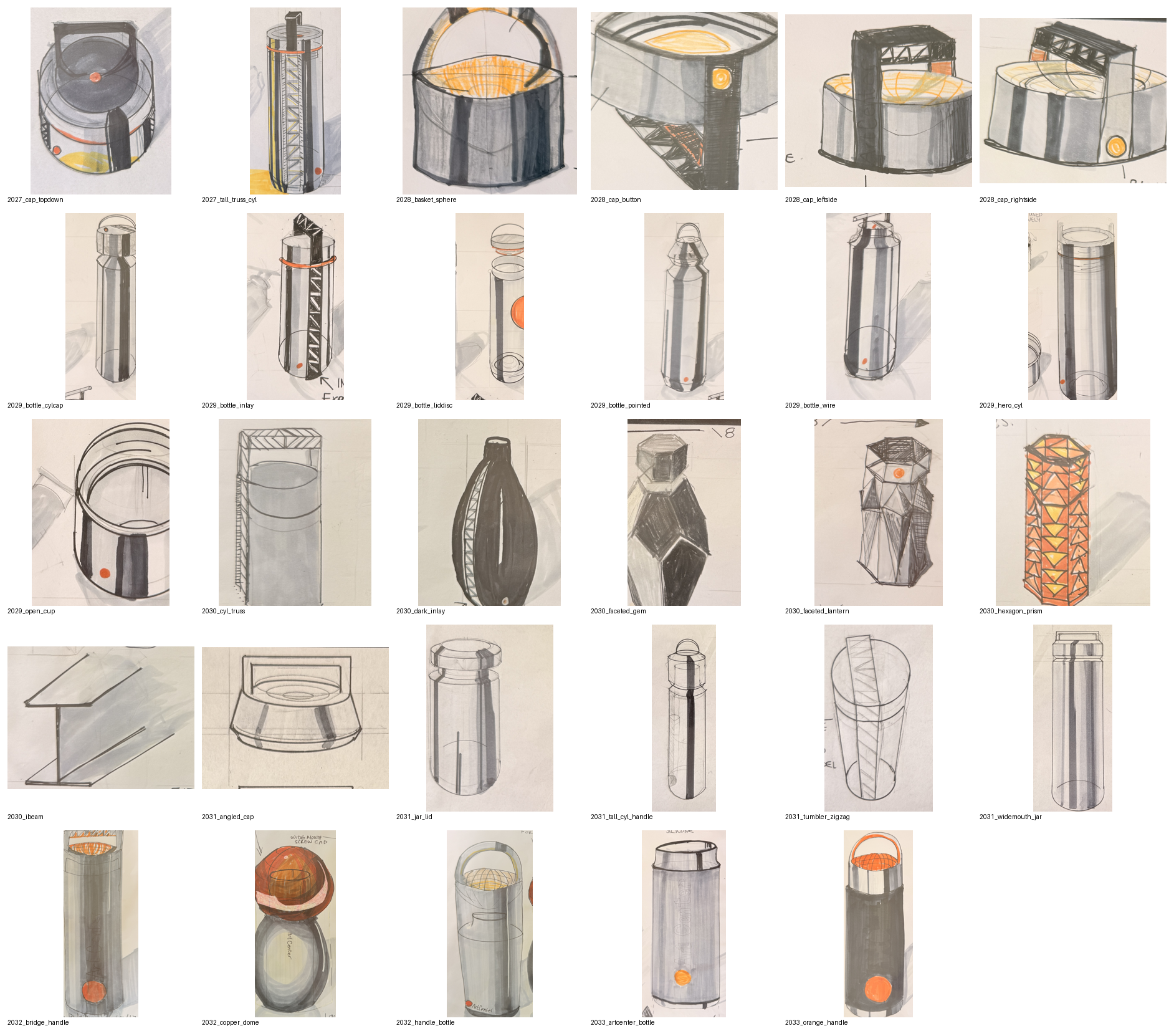
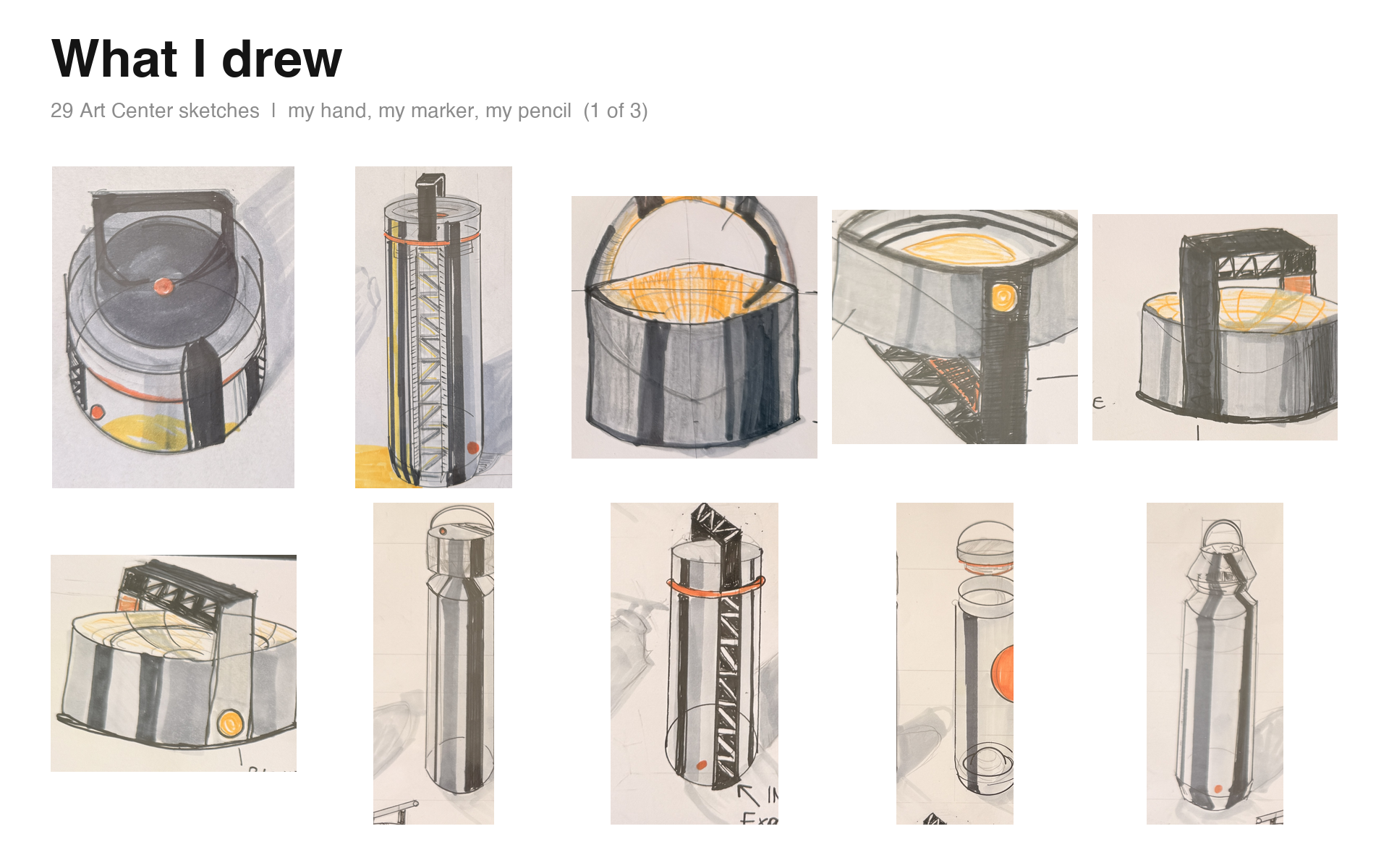
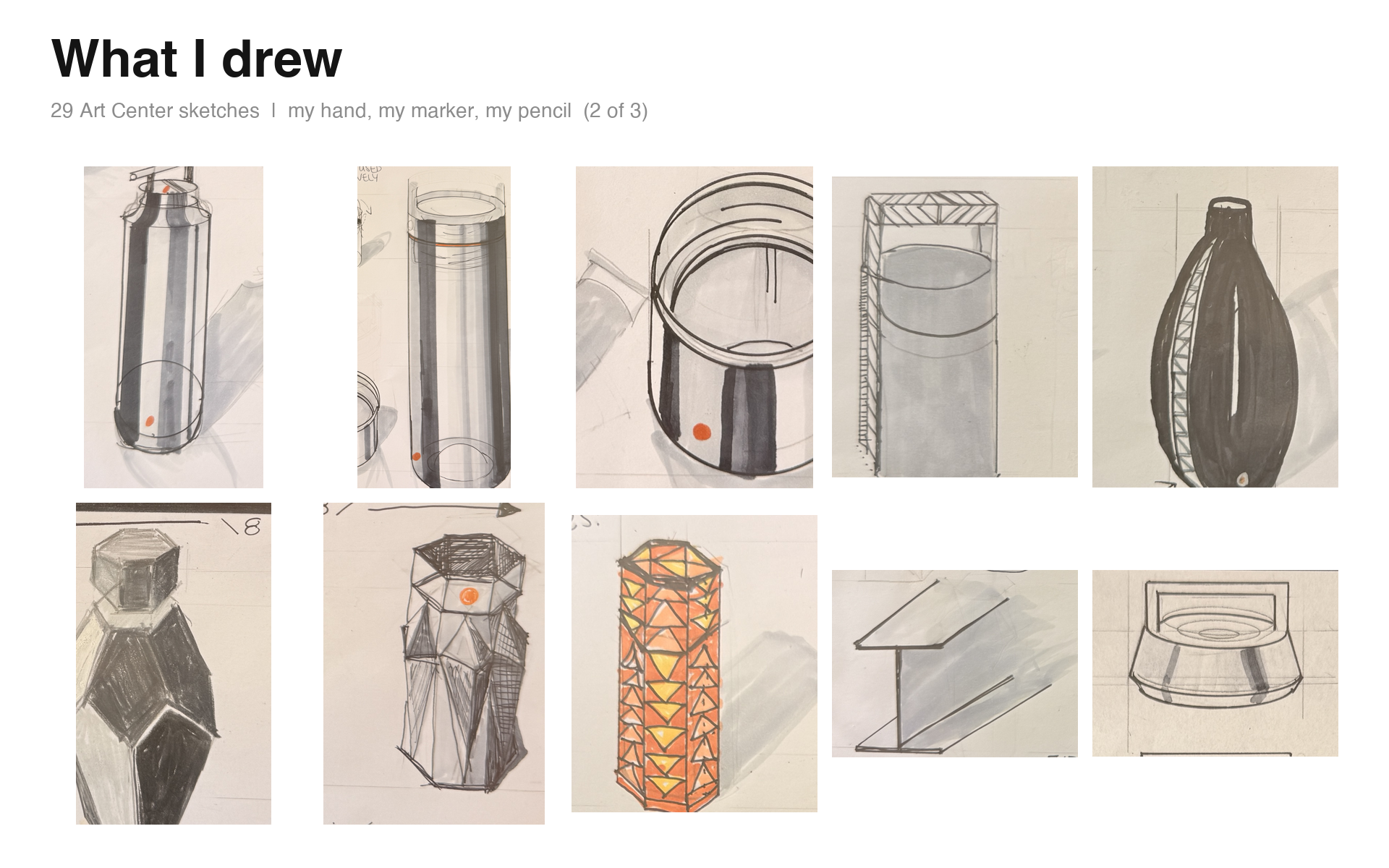
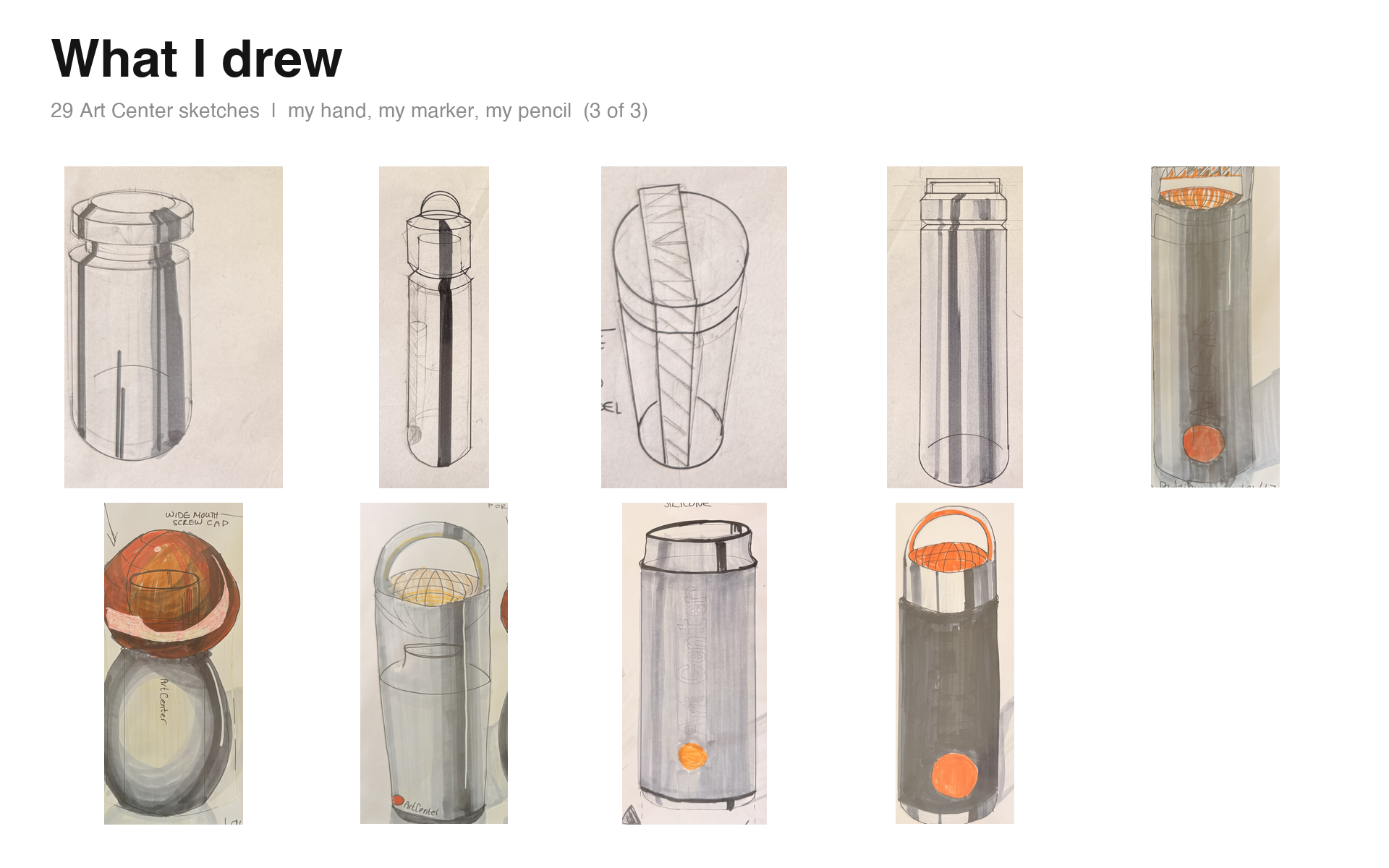
For me, that voice was forged at Art Center: marker on layout paper,
pencil underpinning, a strict orange accent placed as a single
intentional pop. I built a 29-image training set from eight original
sketch sheets and trained a Flux style LoRA on it. The trigger word is
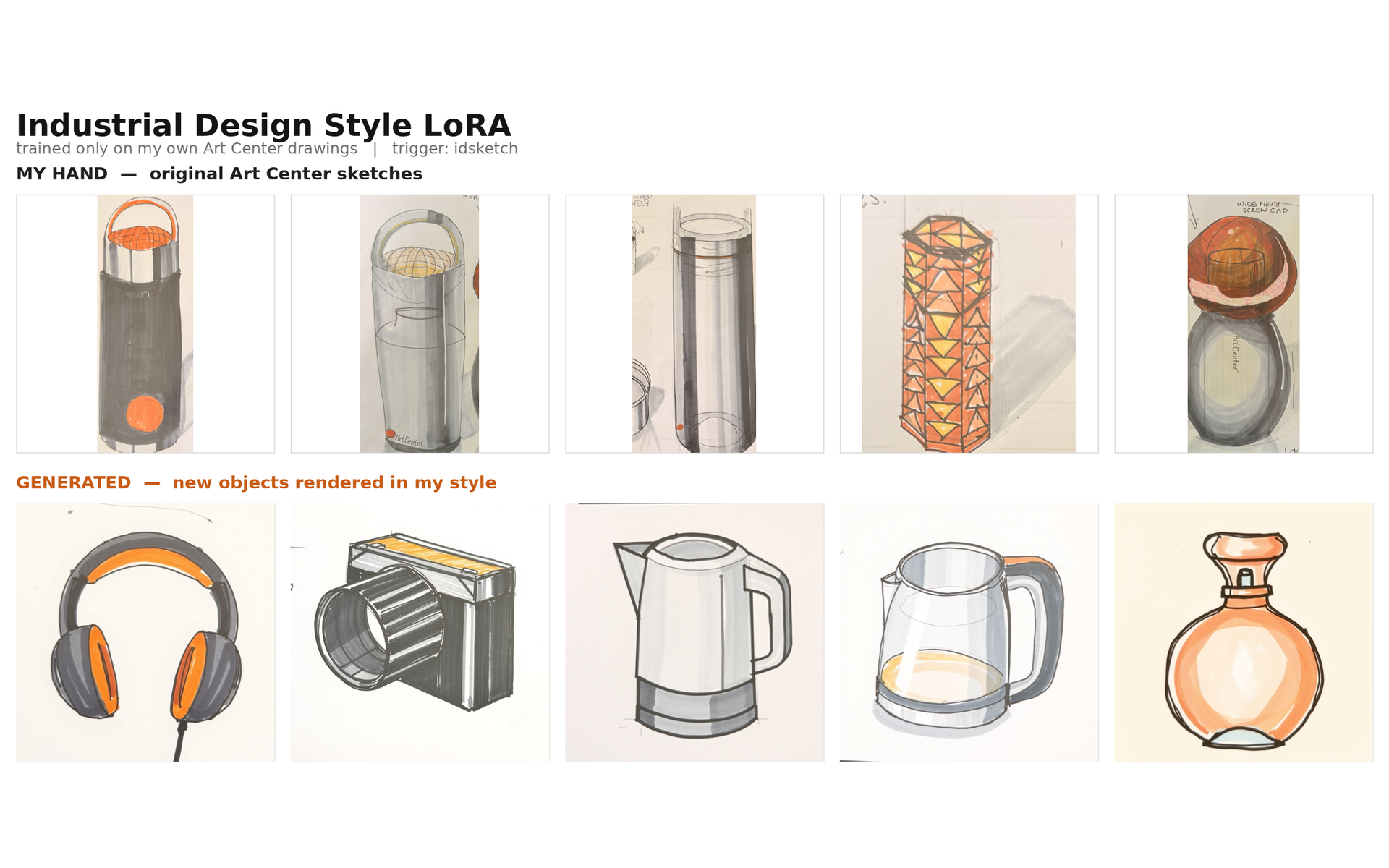
idsketch. What came out is not a copy of my drawings. It is
a model that draws the way I do, on subjects I never drew.
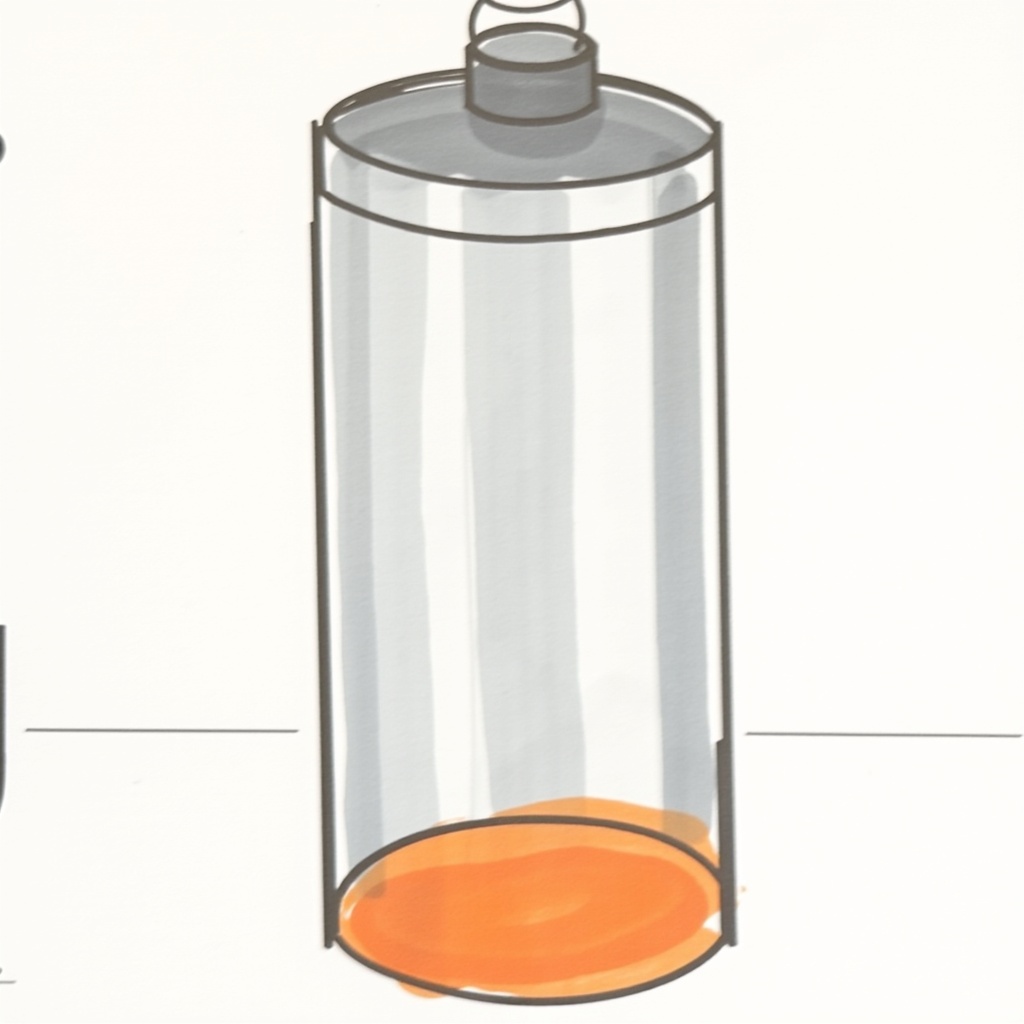
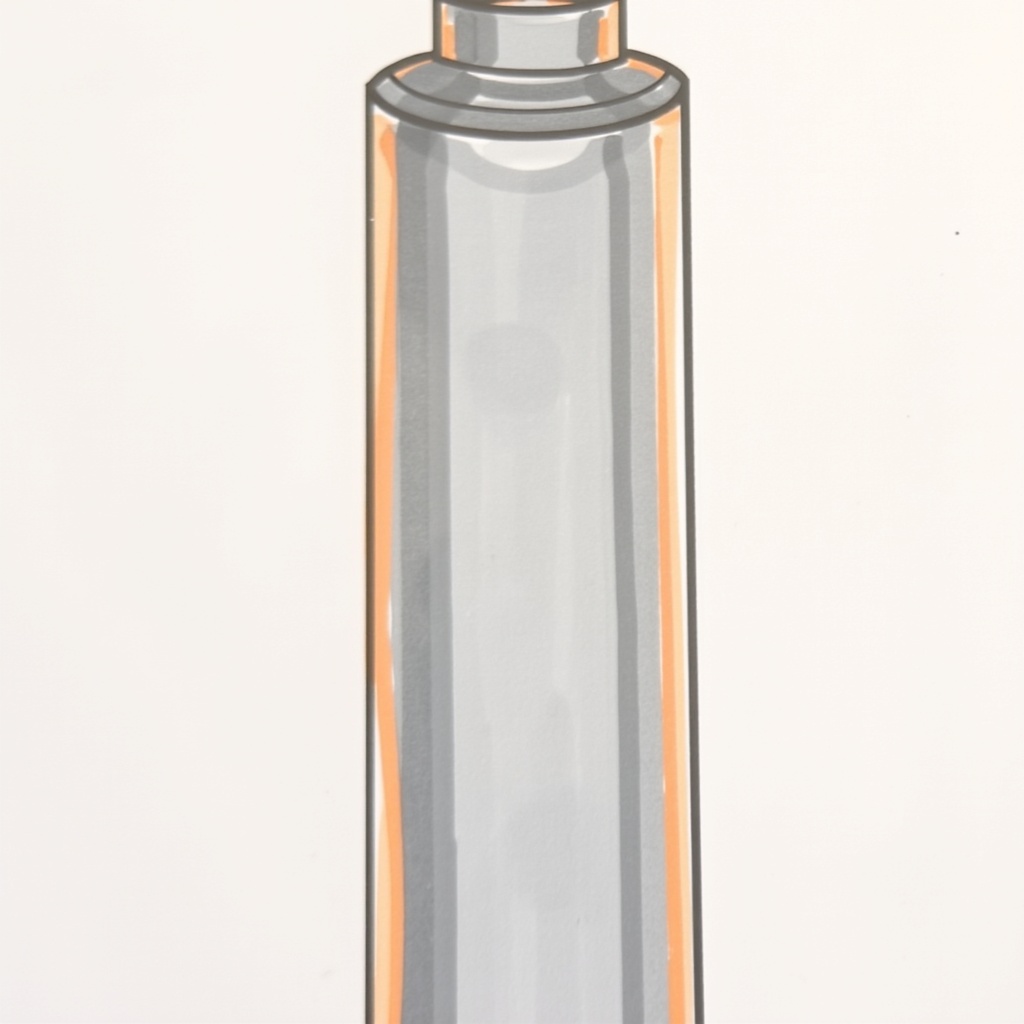
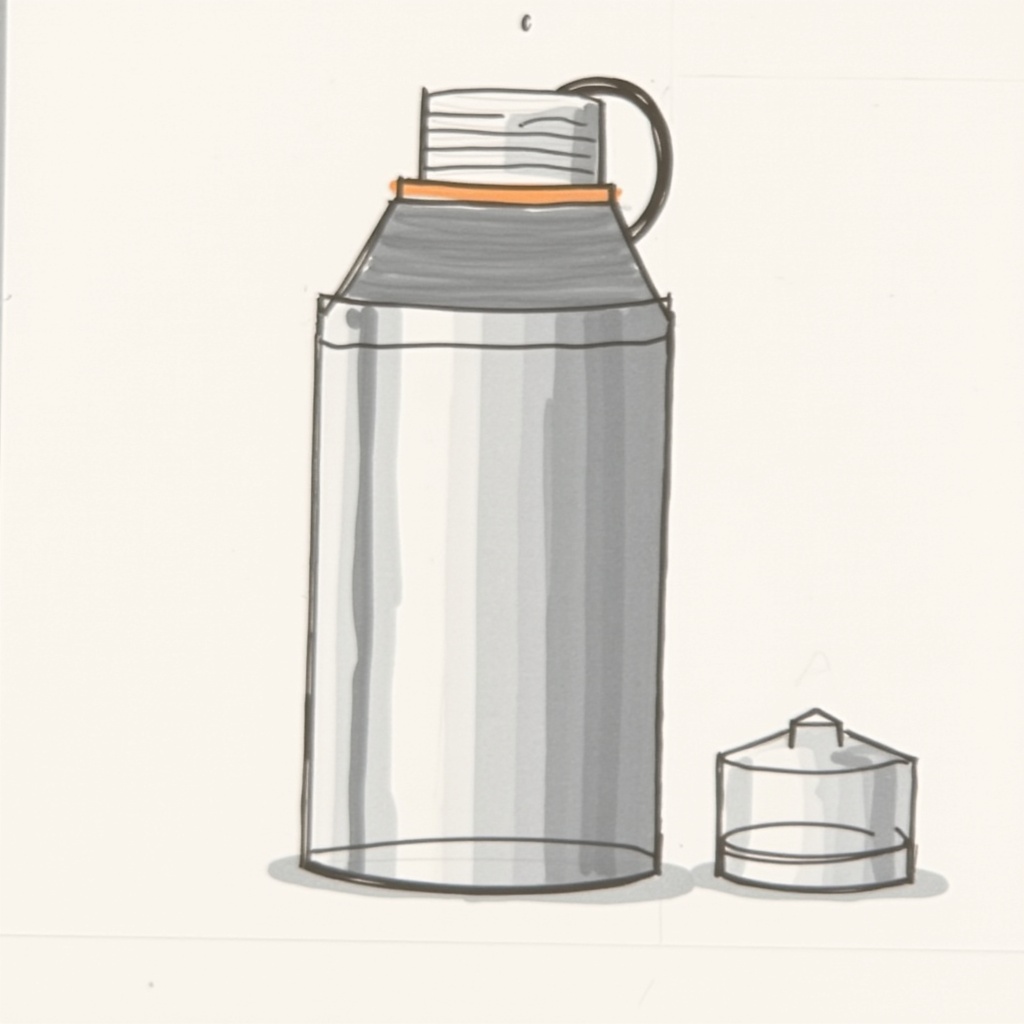
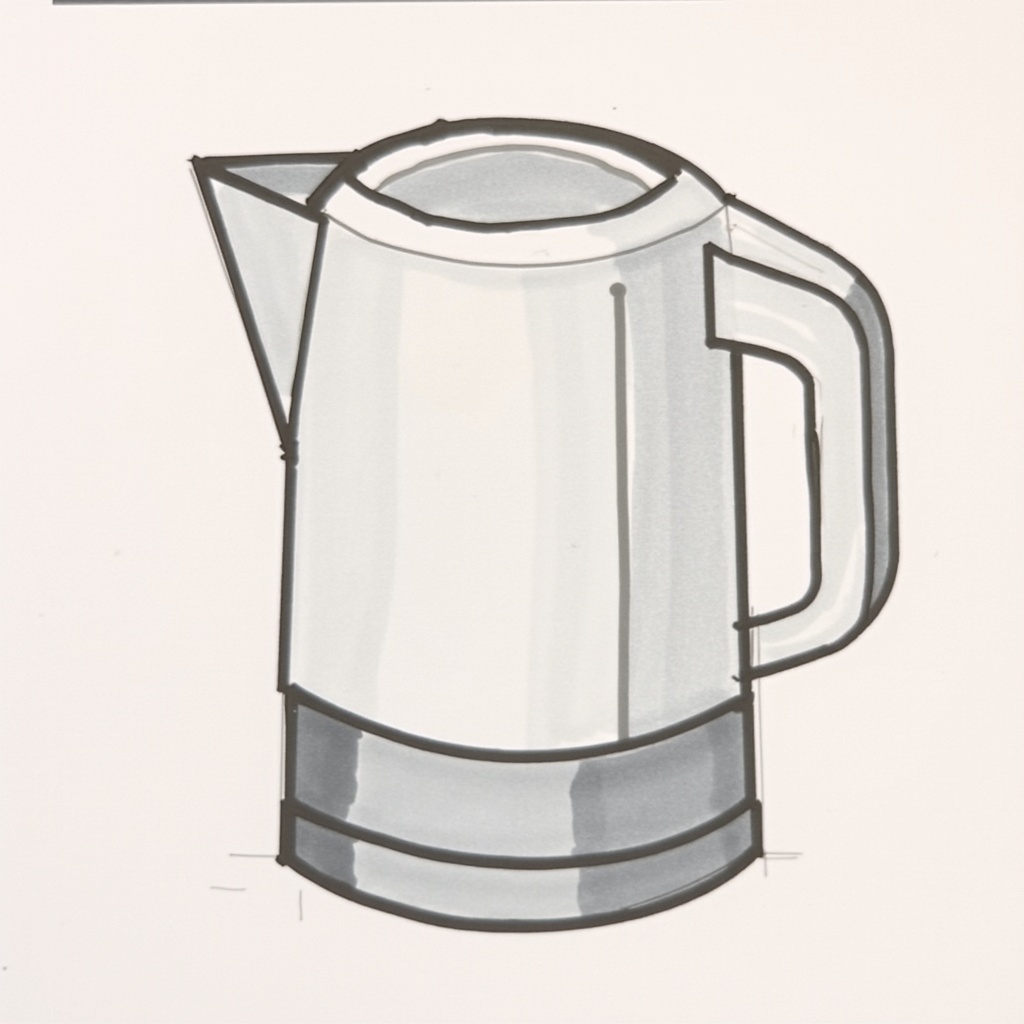
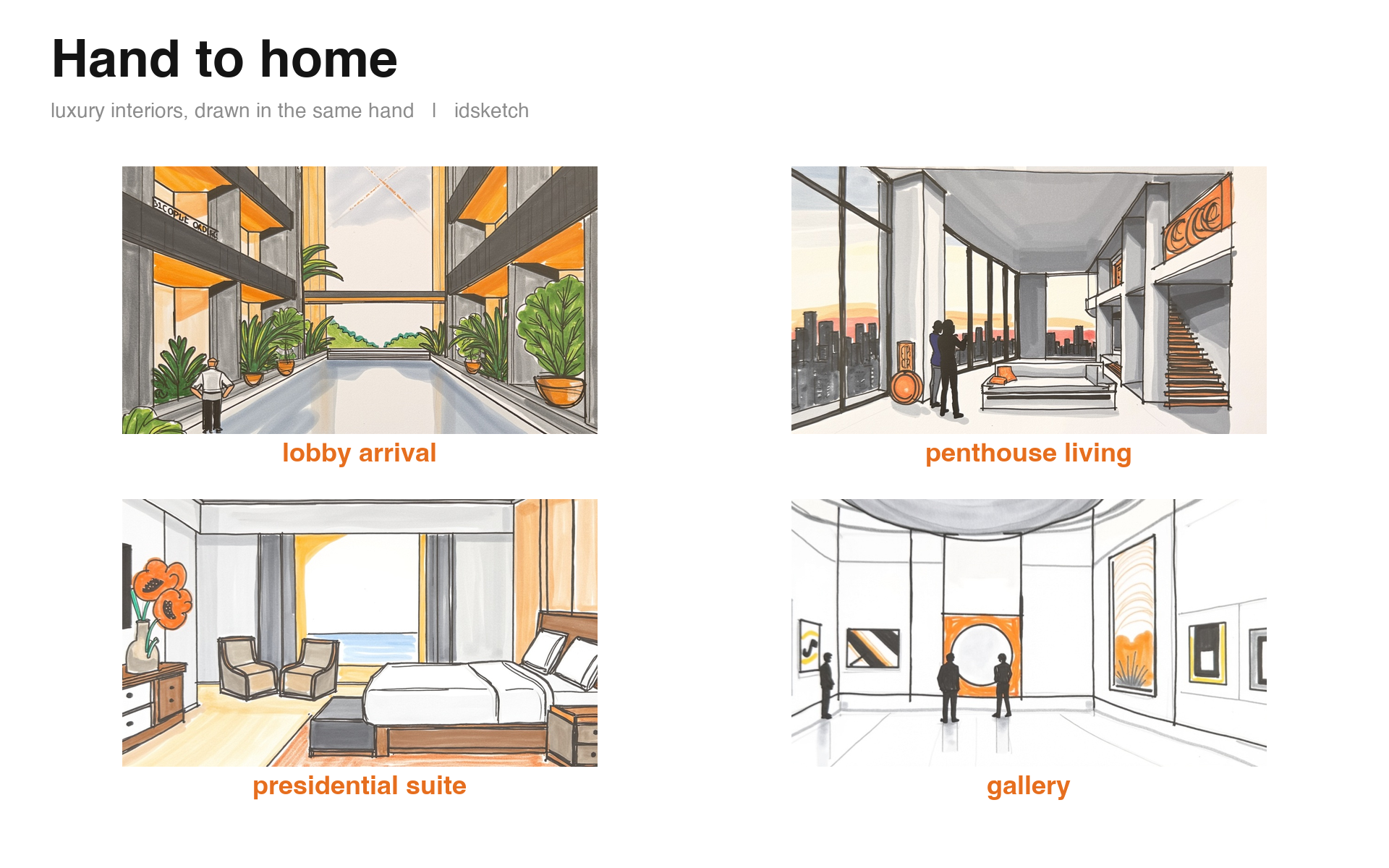
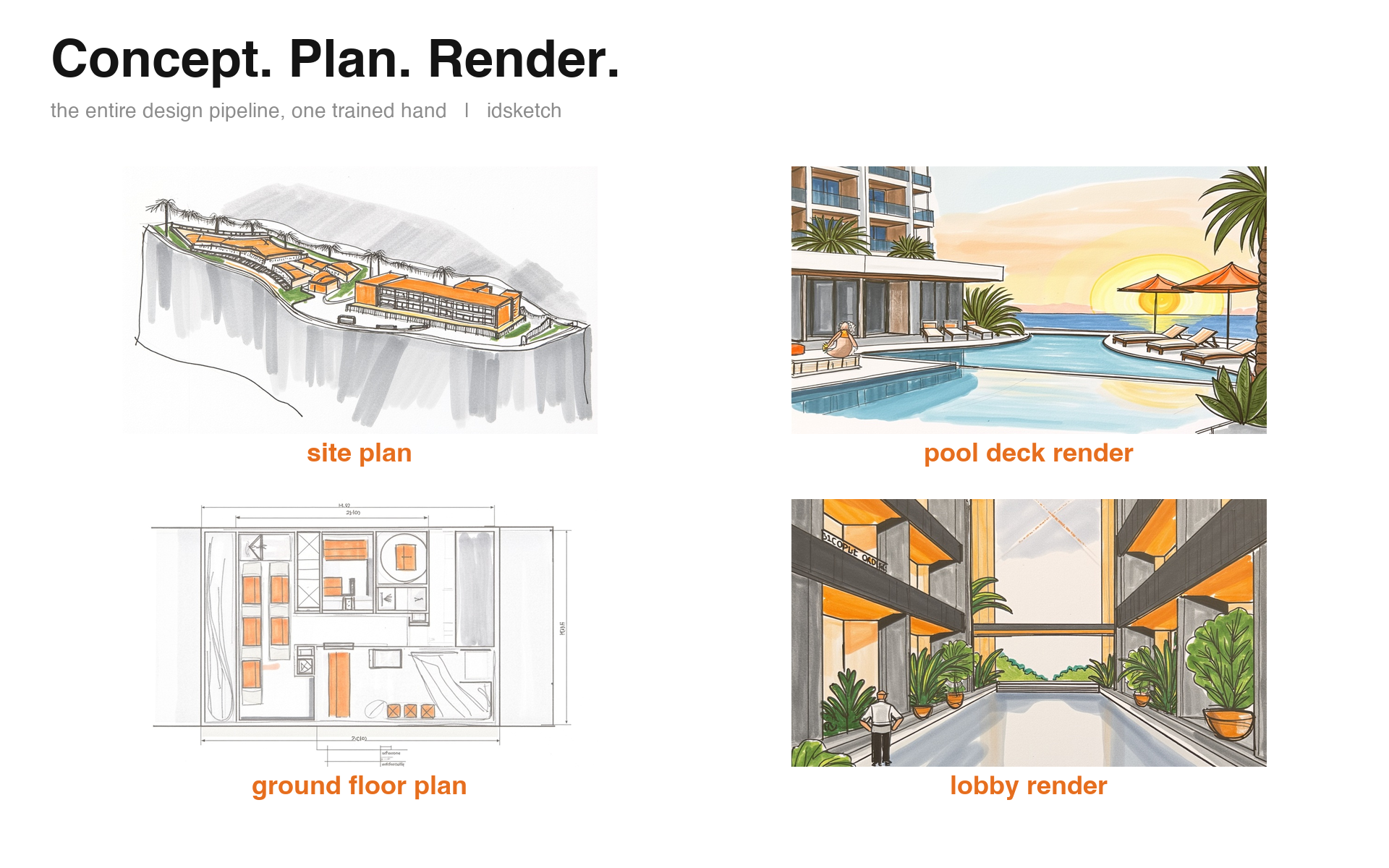
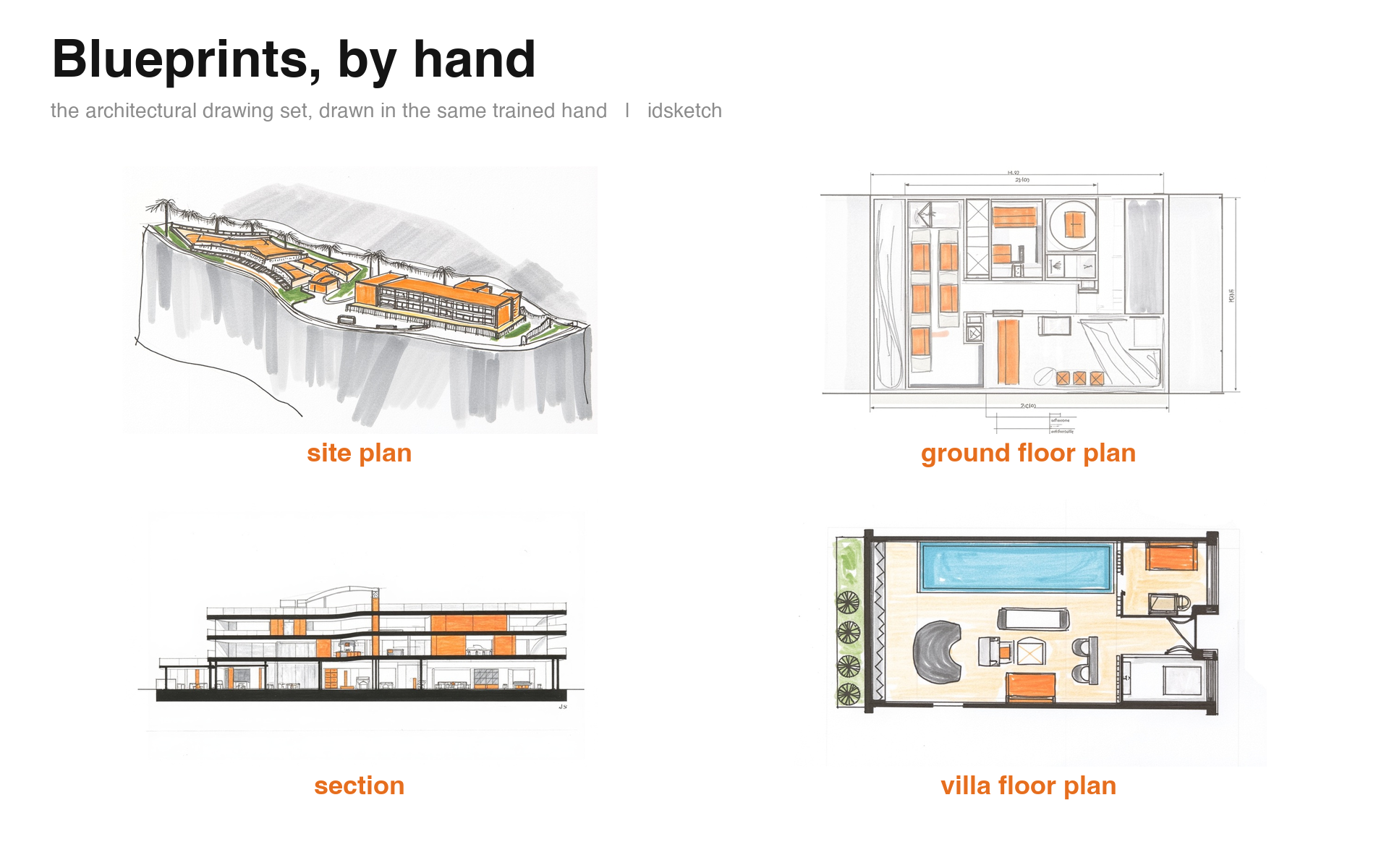
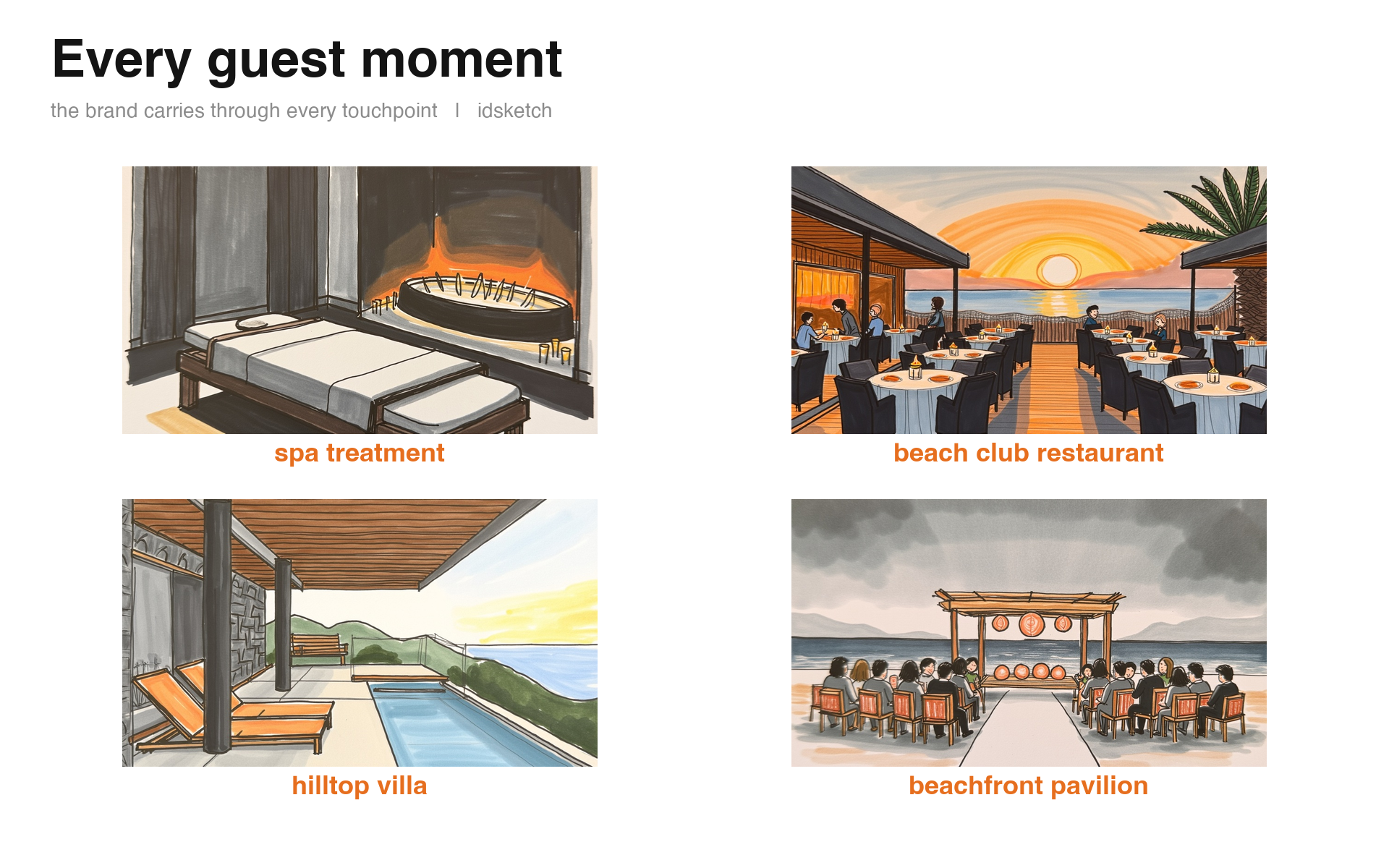
These are LoRA outputs, not retouched sketches. None of these subjects appear in the training set. The style transferred onto products, environments, robots, and people. The orange-accent rule held: one intentional pop, not a flood. That is what a personal model does that a base model cannot.
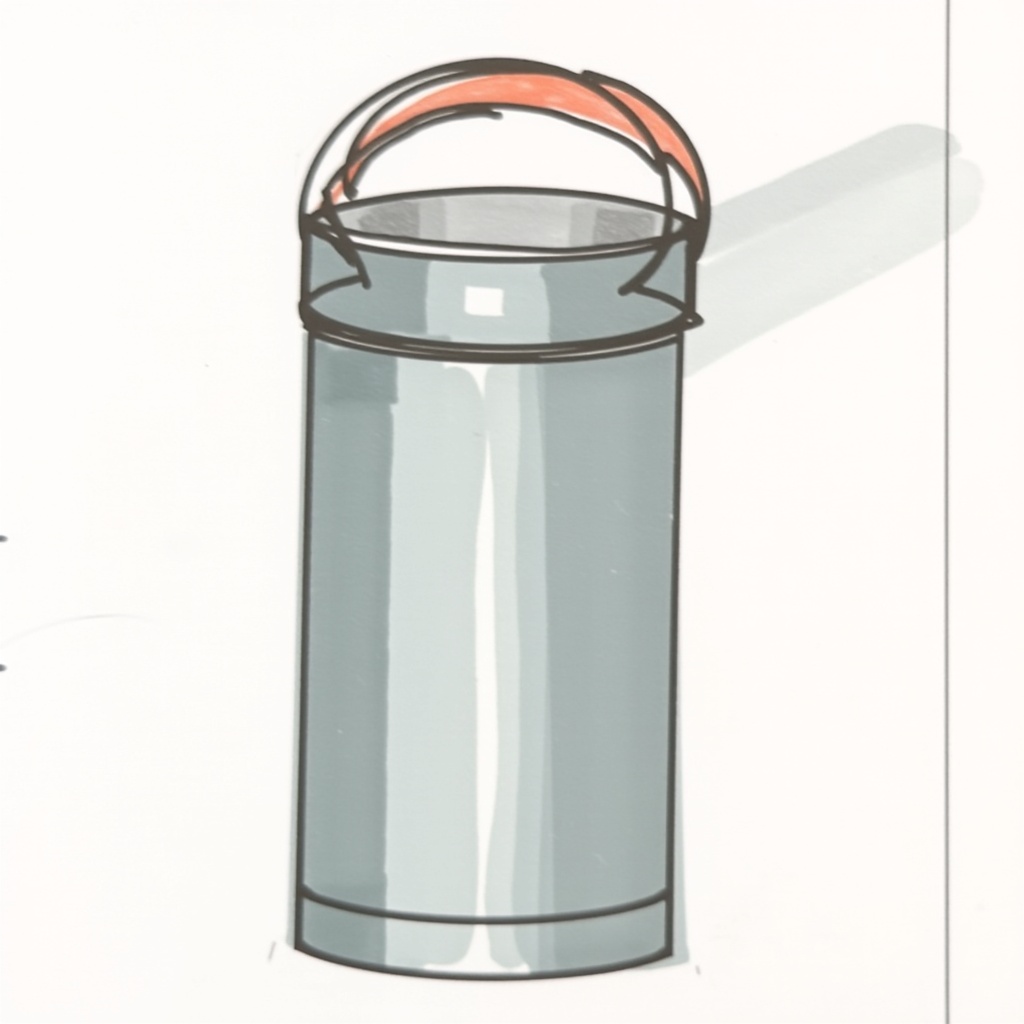
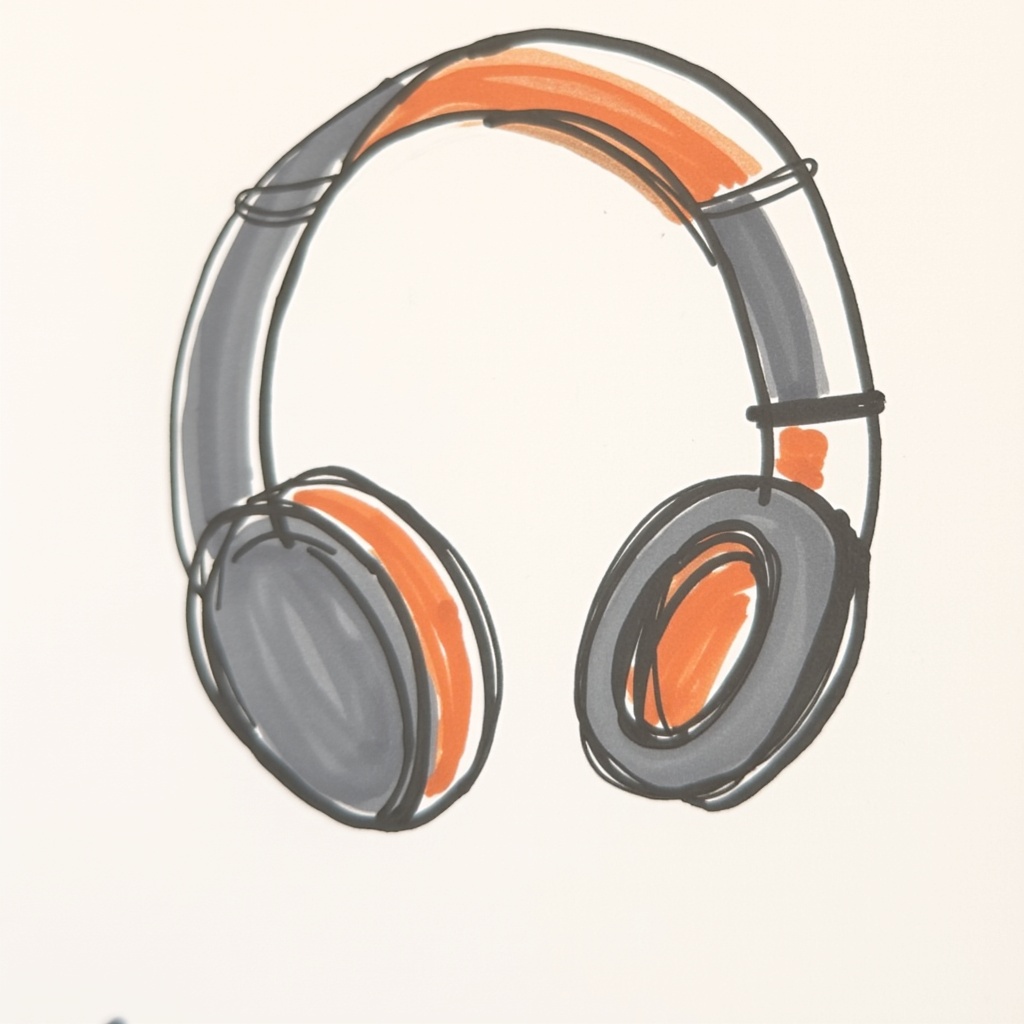
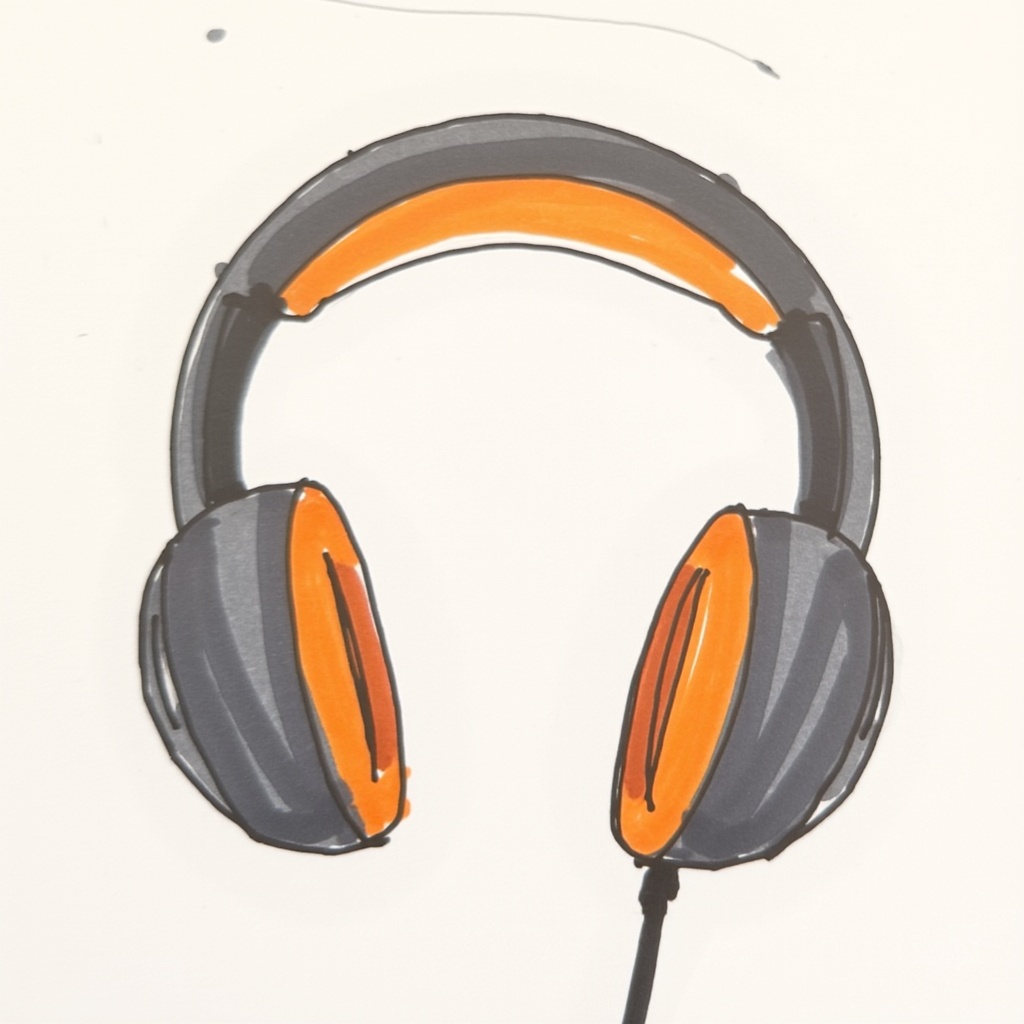
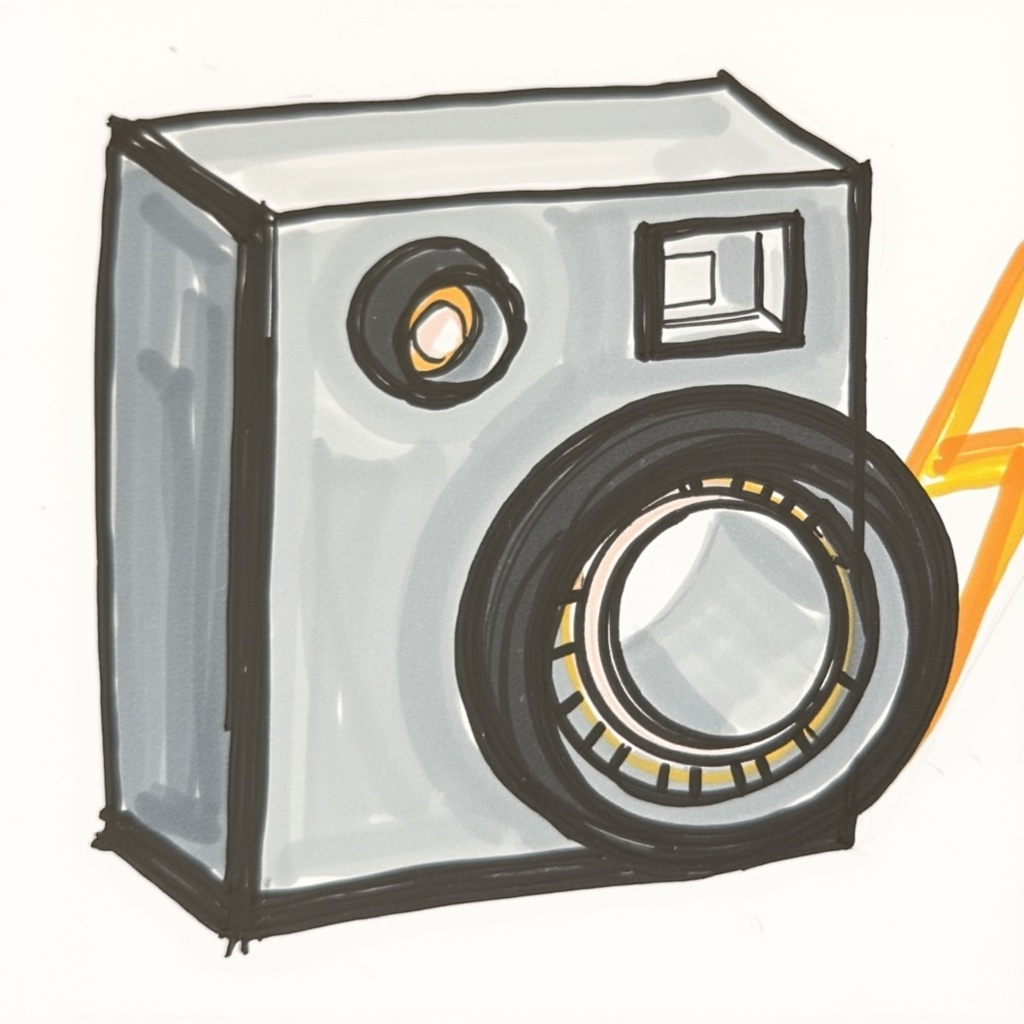
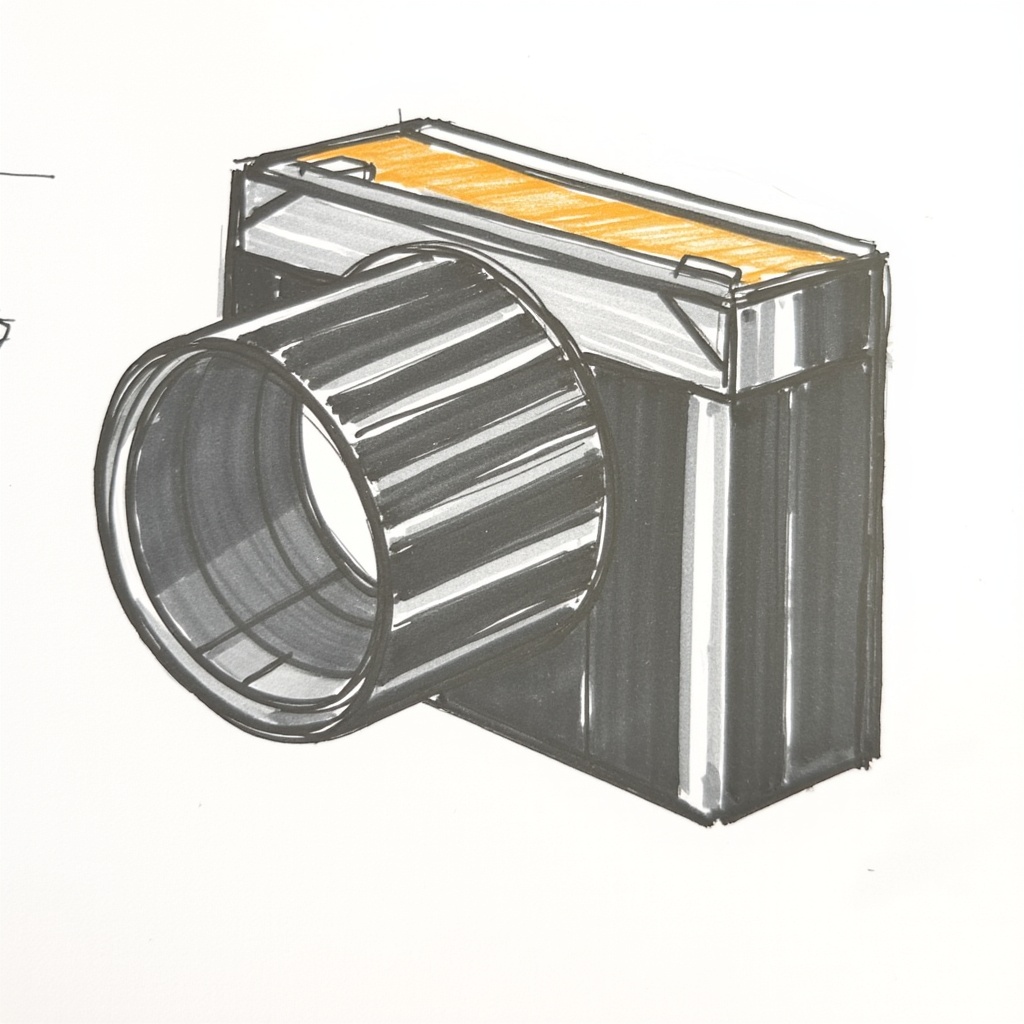
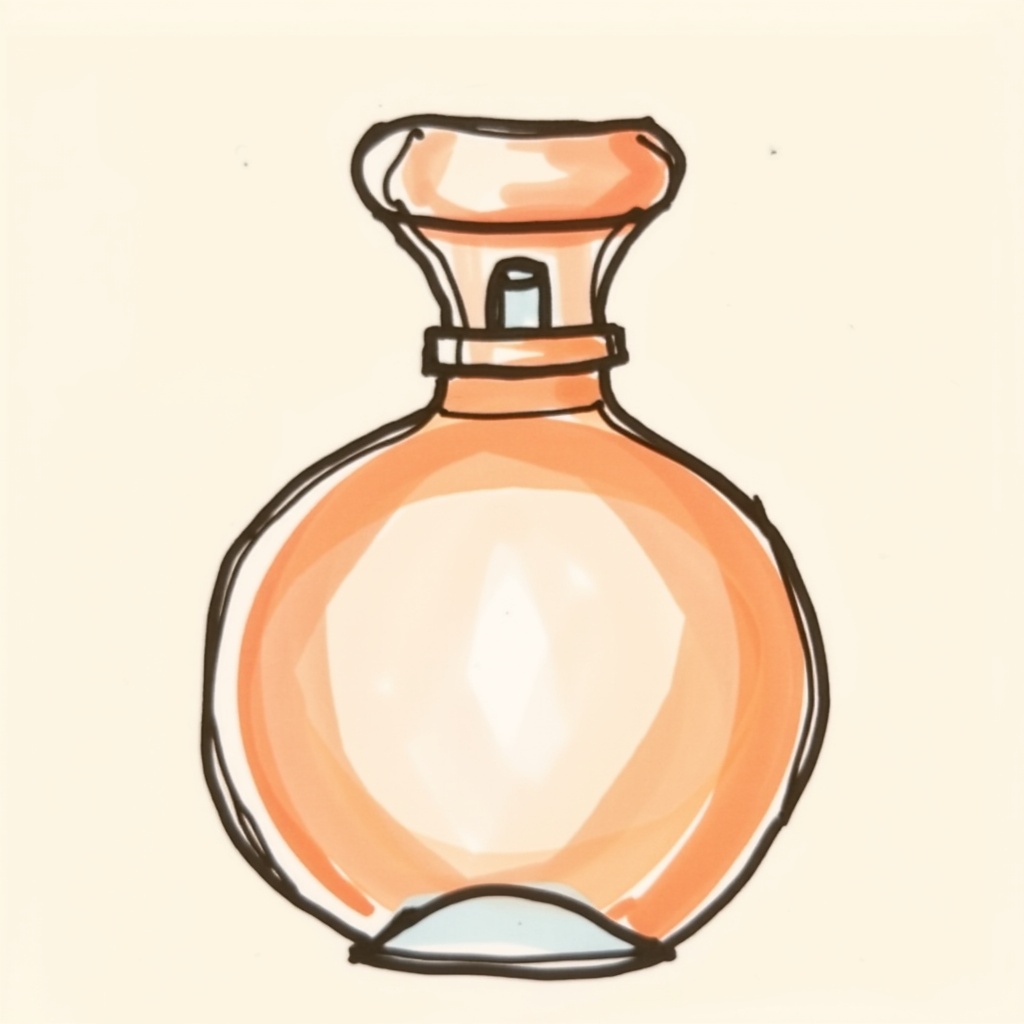
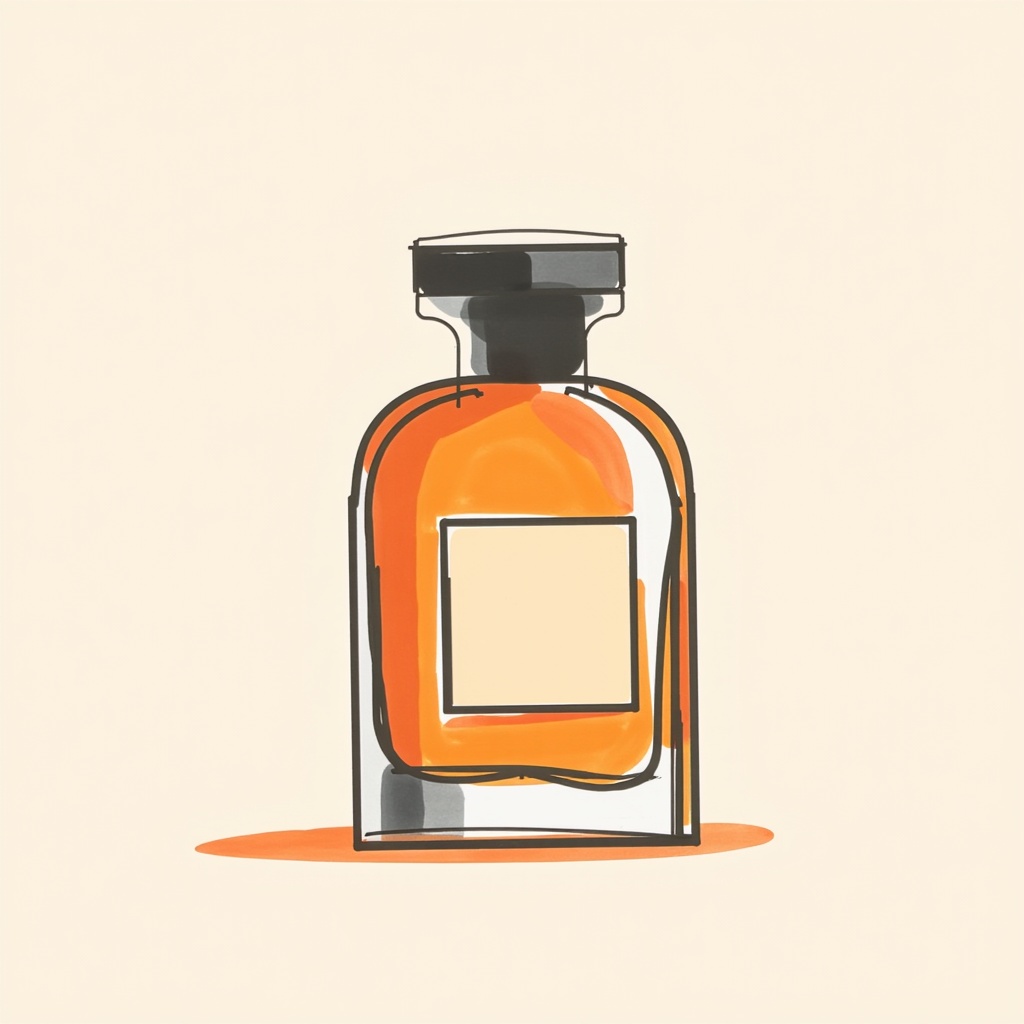
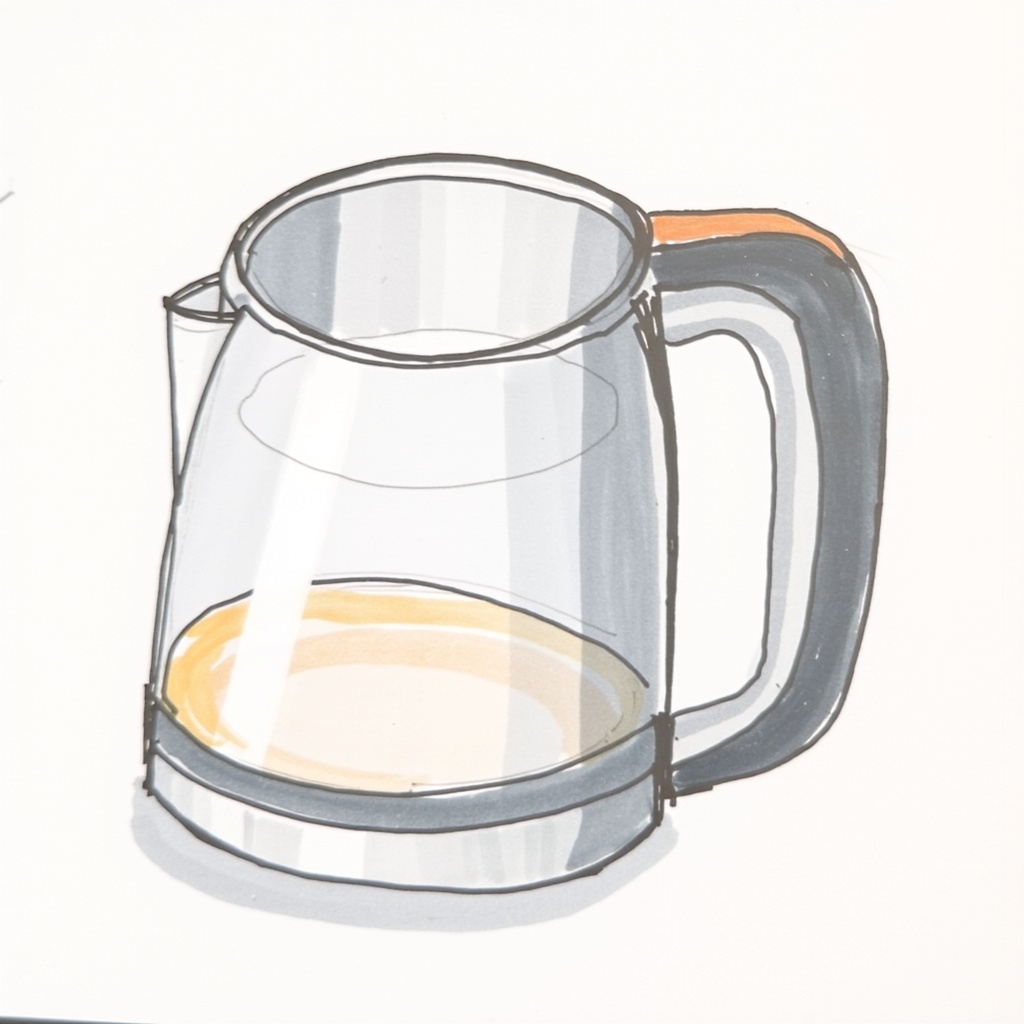
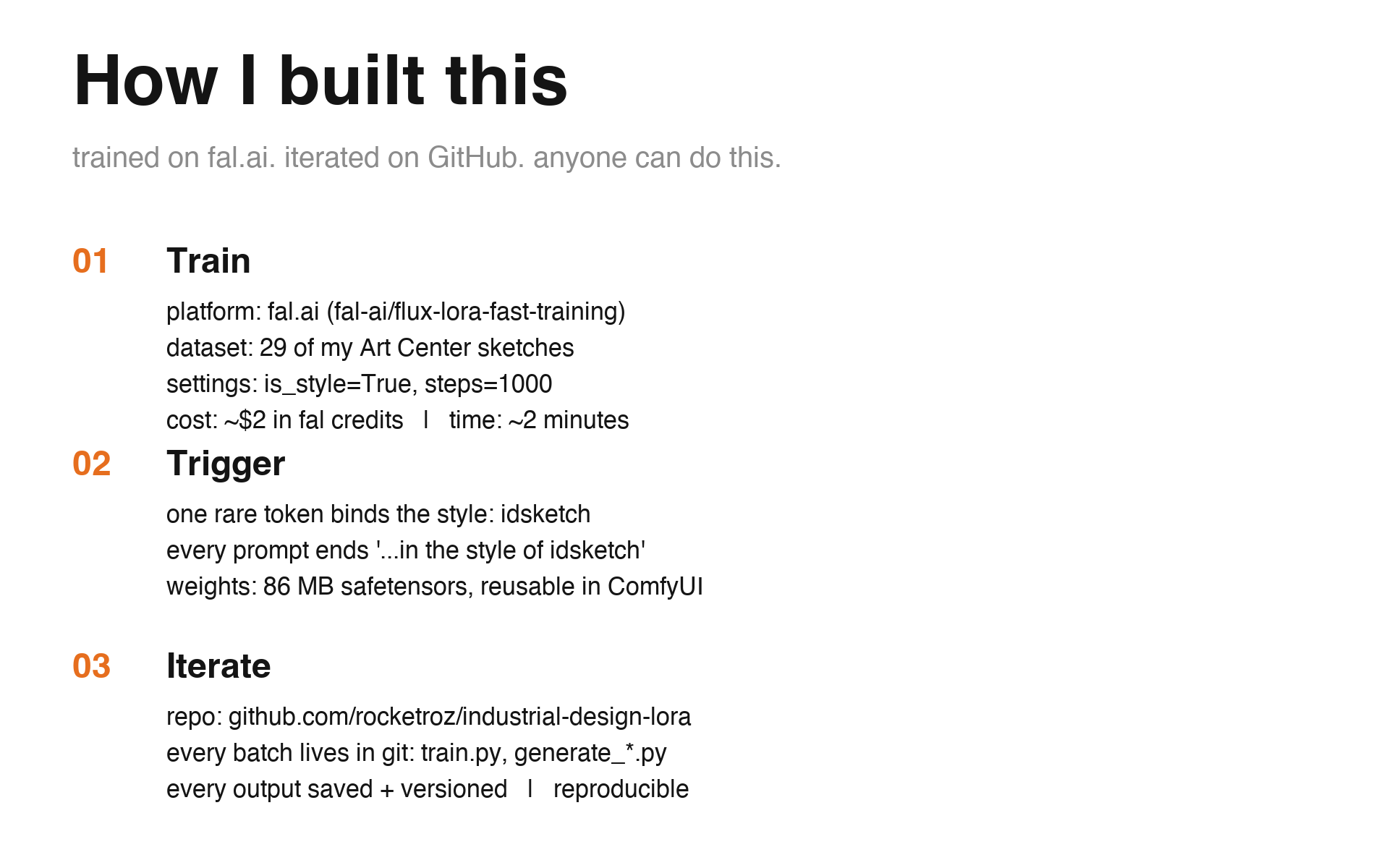
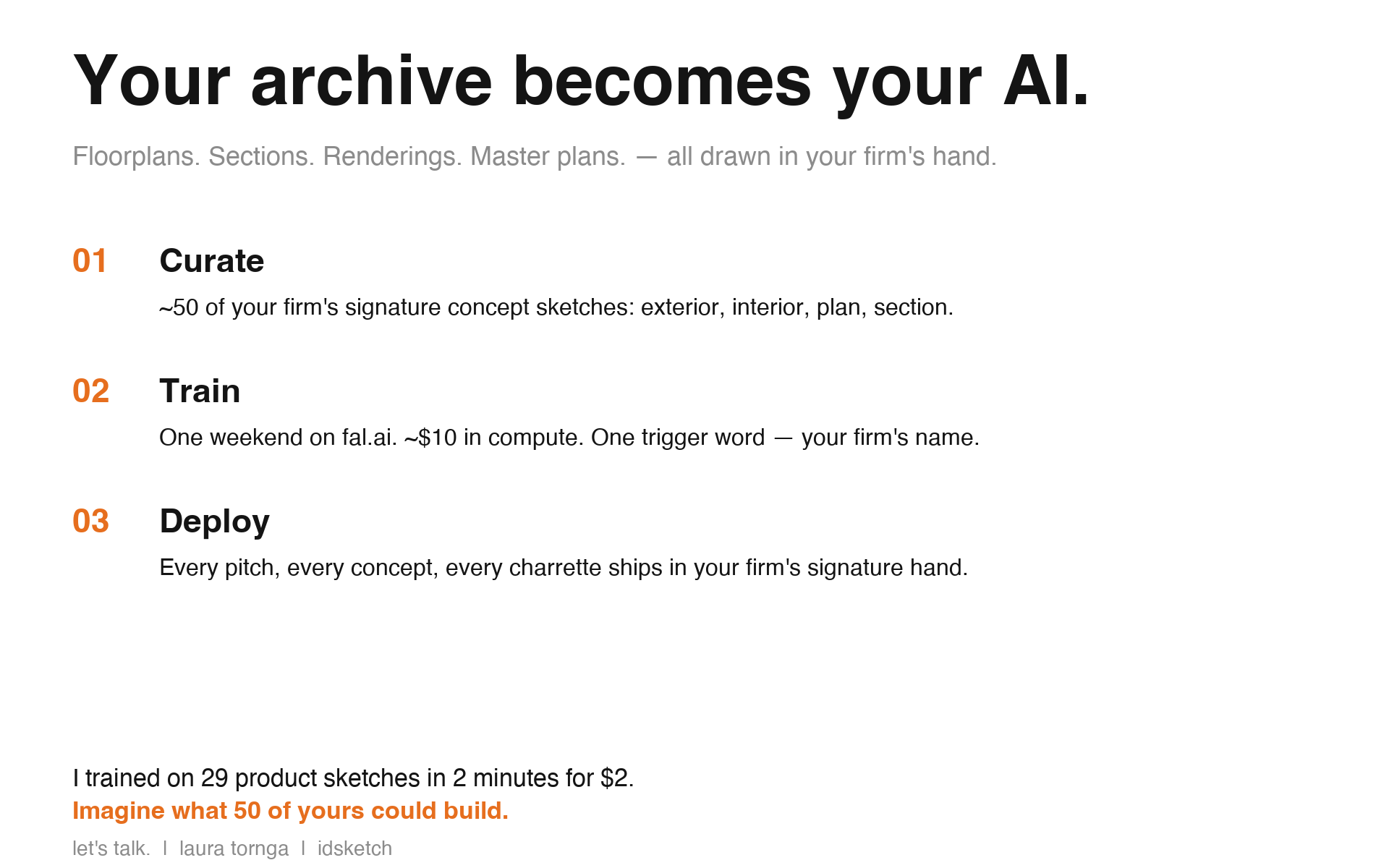
The whole pipeline is a Python script. Upload the dataset, train, pull weights, generate. The hard part was not the training. The hard part was the dataset: choosing which 29 crops to feed the model so it learned the rules instead of any single drawing. That is the artist work. The compute is the easy part.
Originally built as a pitch to architecture-leadership about applying this exact workflow to a hospitality brand. Reframed here as the general argument for personal-style models in cinema.
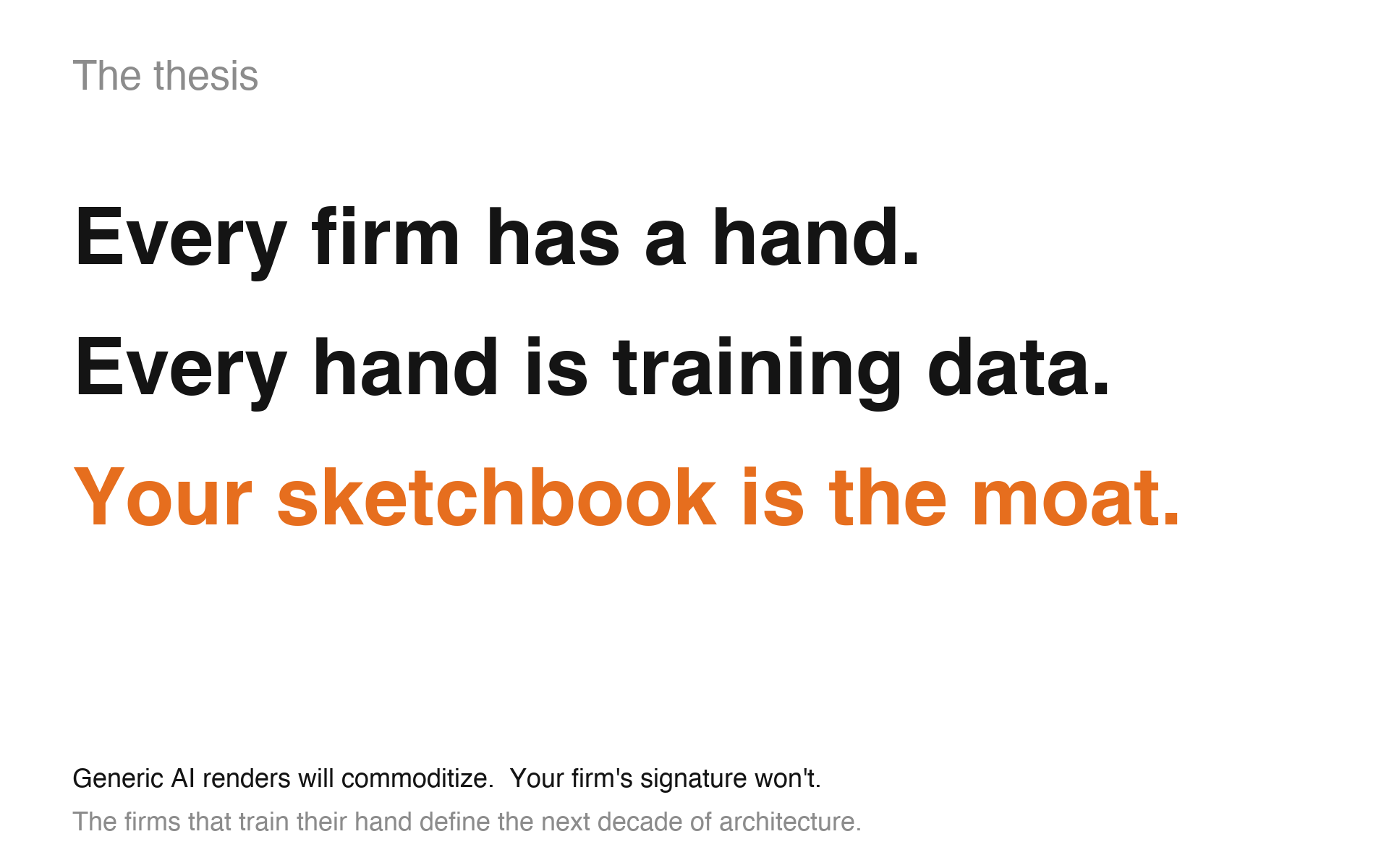
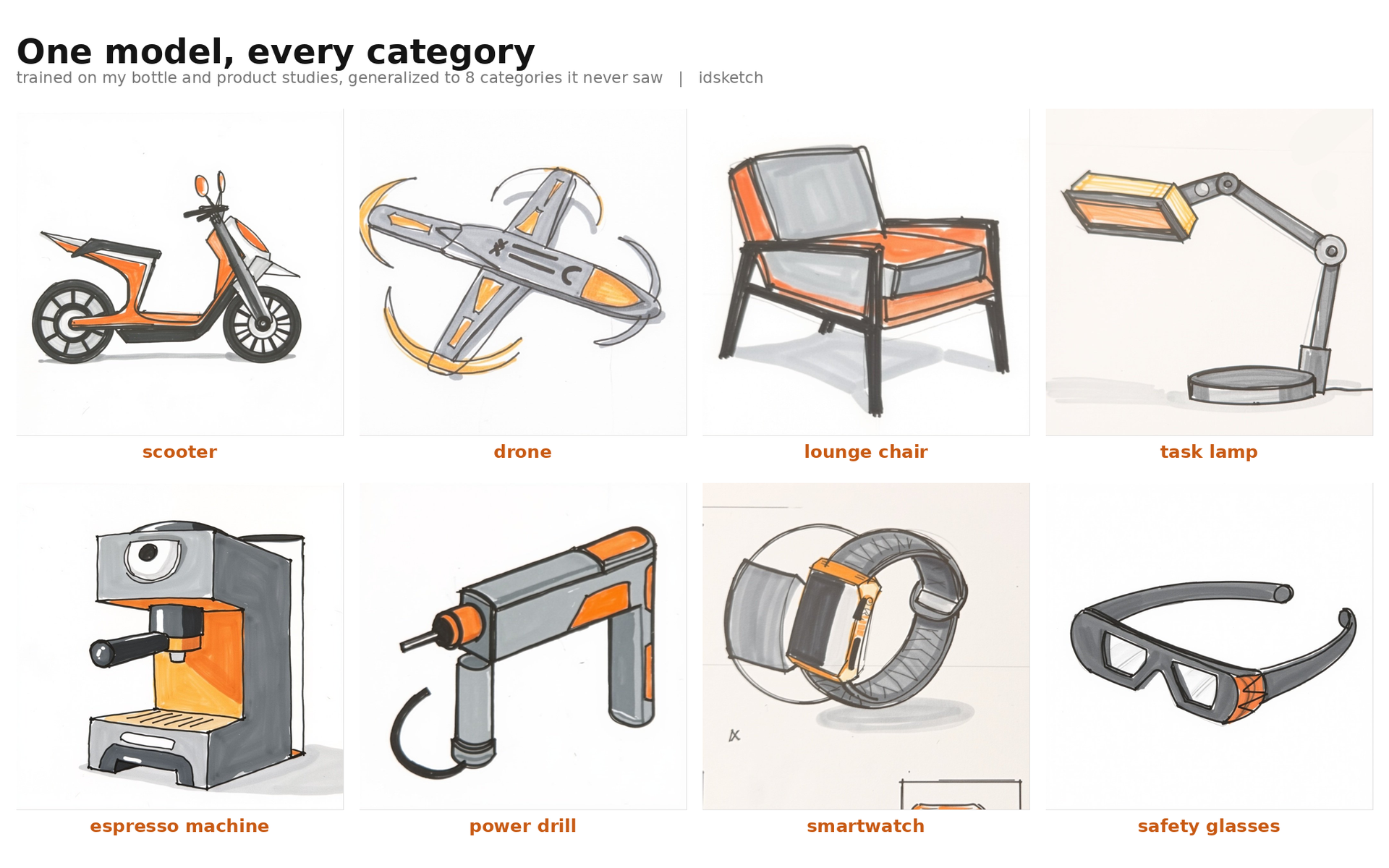
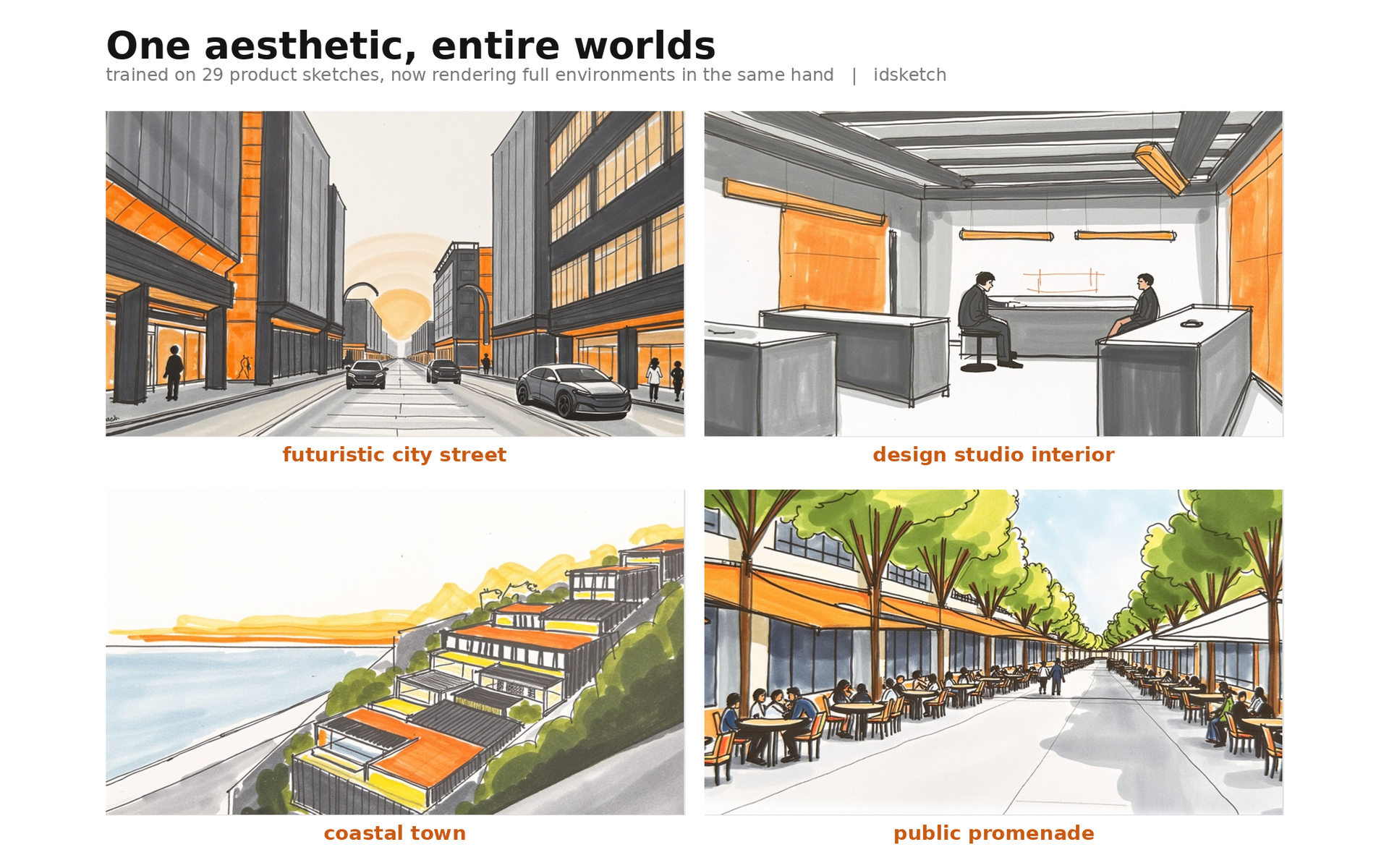
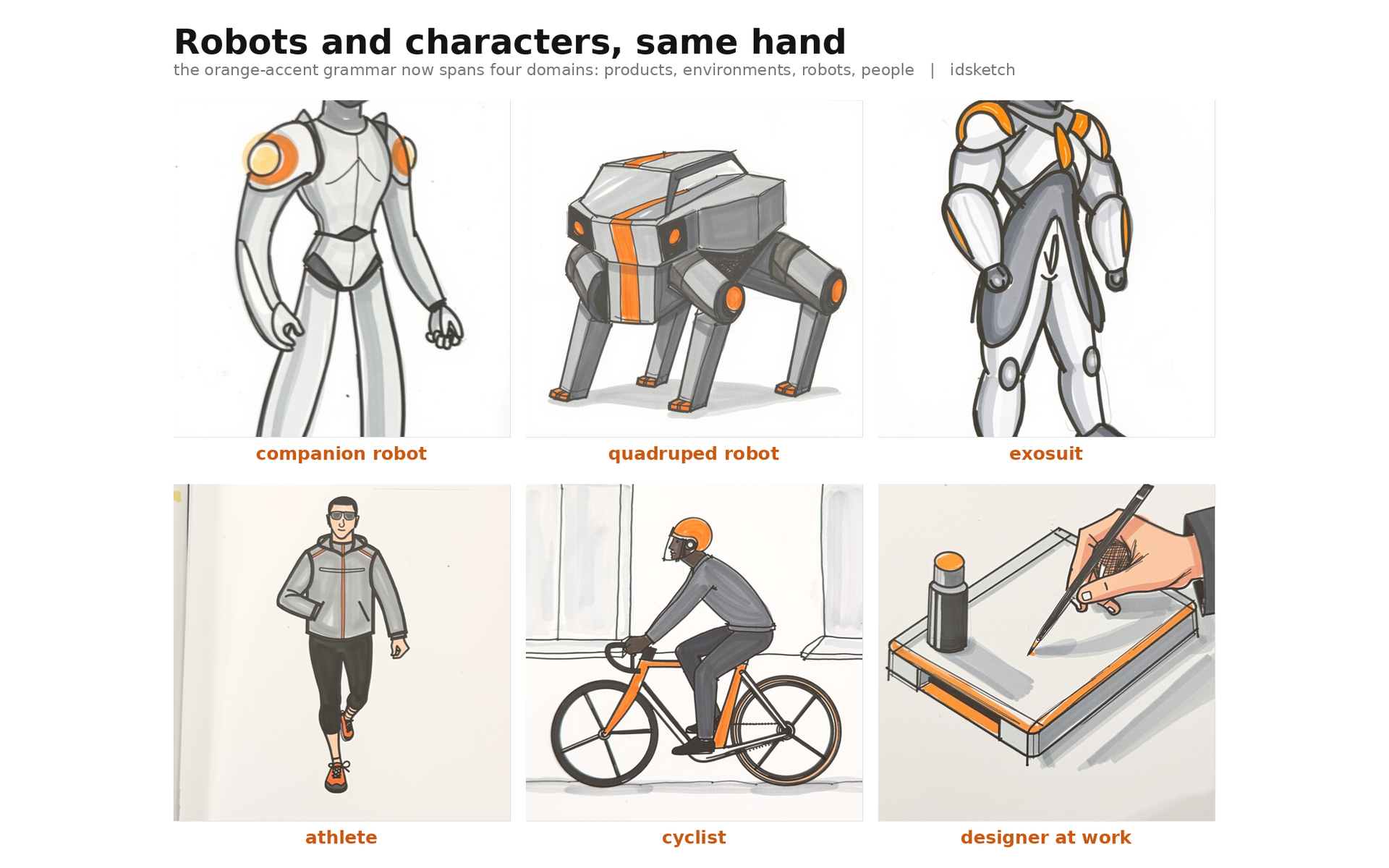
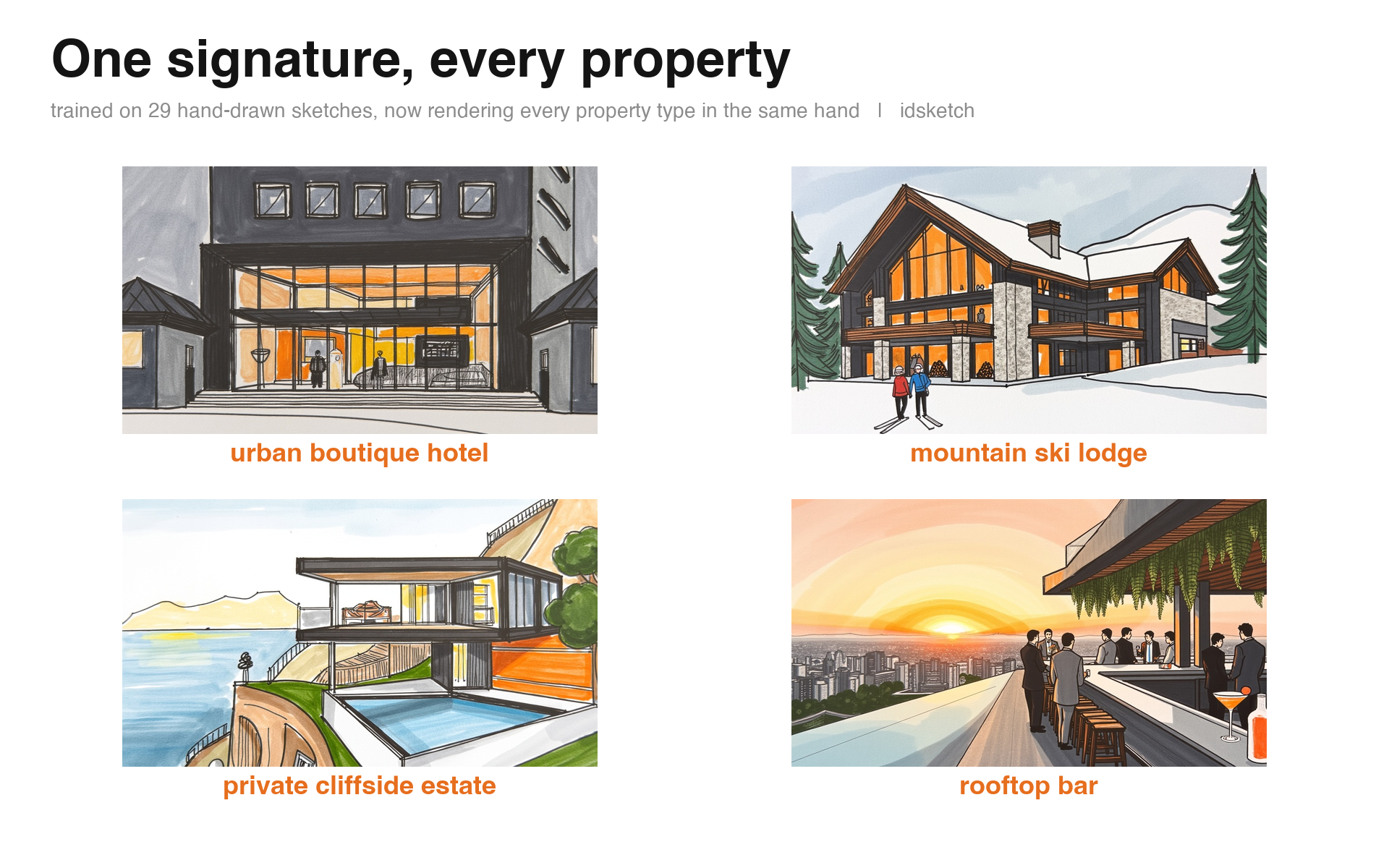
The base-model future is a feed of work that looks like everyone else's work. The personal-model future is a feed where a viewer can tell which artist made a frame from across the room. That second future is the one I want to live in, and it is the one I want to help other artists build. The bottleneck is no longer the technology. It is the artist's willingness to gather their own work and train on it.
If you are an artist, a studio, or a brand thinking about building a signature visual model from your own catalog, this is exactly the kind of project I take on. The screenplay-to-generation pipeline is the production-grade version. The AI films page is the work that comes out the other end.